A Kingdom That Looks Like Every Nation
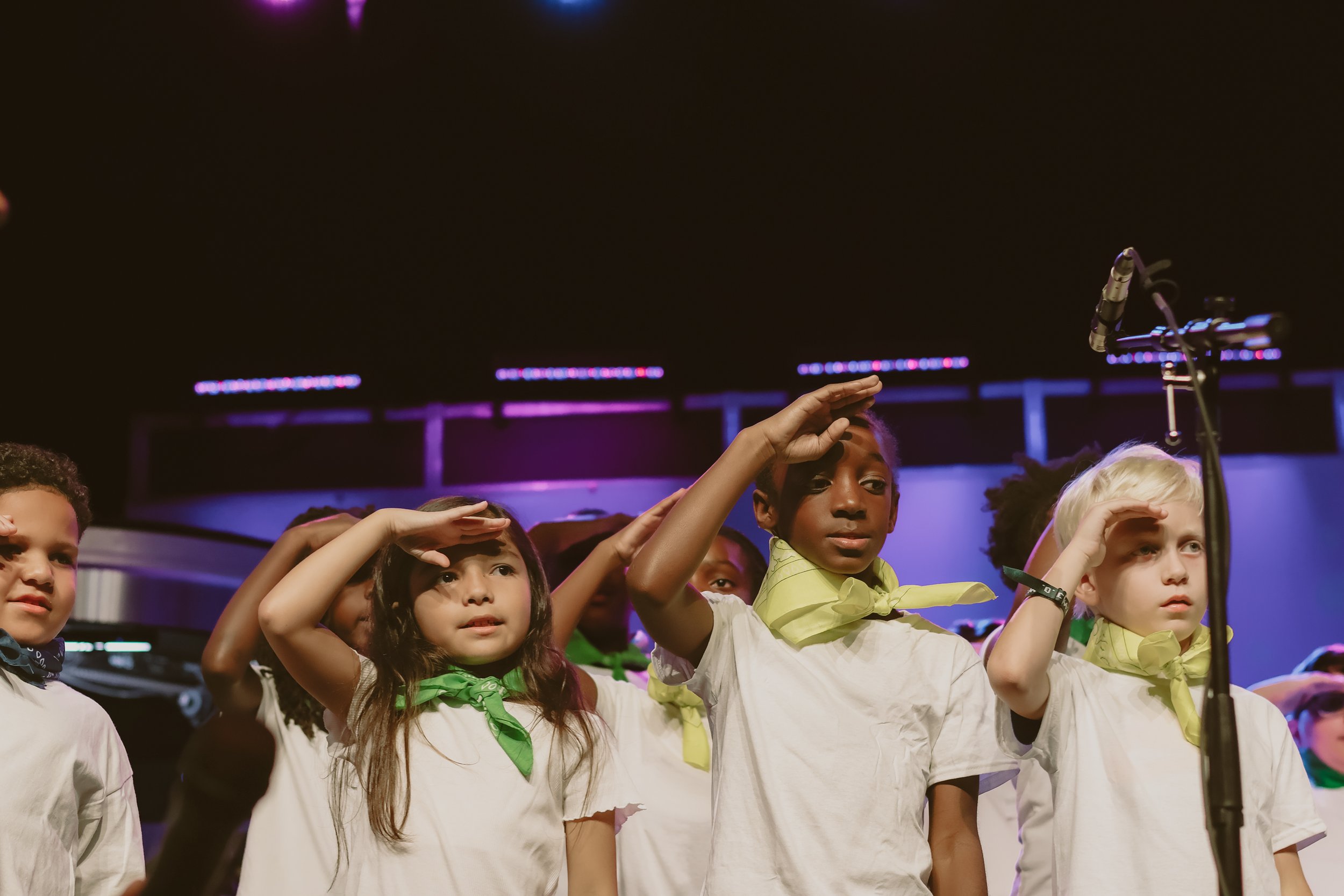
“After this I looked, and there before me was a great multitude that no one could count, from every nation, tribe, people and language, standing before the throne and before the Lamb.”
— Revelation 7:9 NIV
There is something deeply beautiful about the picture John gives us in Revelation 7.
Heaven is not described as a place where everyone looks the same, speaks the same language, or comes from the same background. John sees a multitude from every nation, tribe, people, and language standing together before the throne of God.
Different stories. Different cultures. Different languages. Different expressions.
And yet, one worship. This is the Kingdom of God.
Sometimes we think of diversity as something the world is trying to teach us, but Scripture shows us that God's heart for the nations has been present from the beginning. God is not intimidated by our differences. He is glorified when people from every background come together and discover that their ultimate identity is found in Him.
That is something our children need to learn.
Teaching Children to See Beyond Themselves
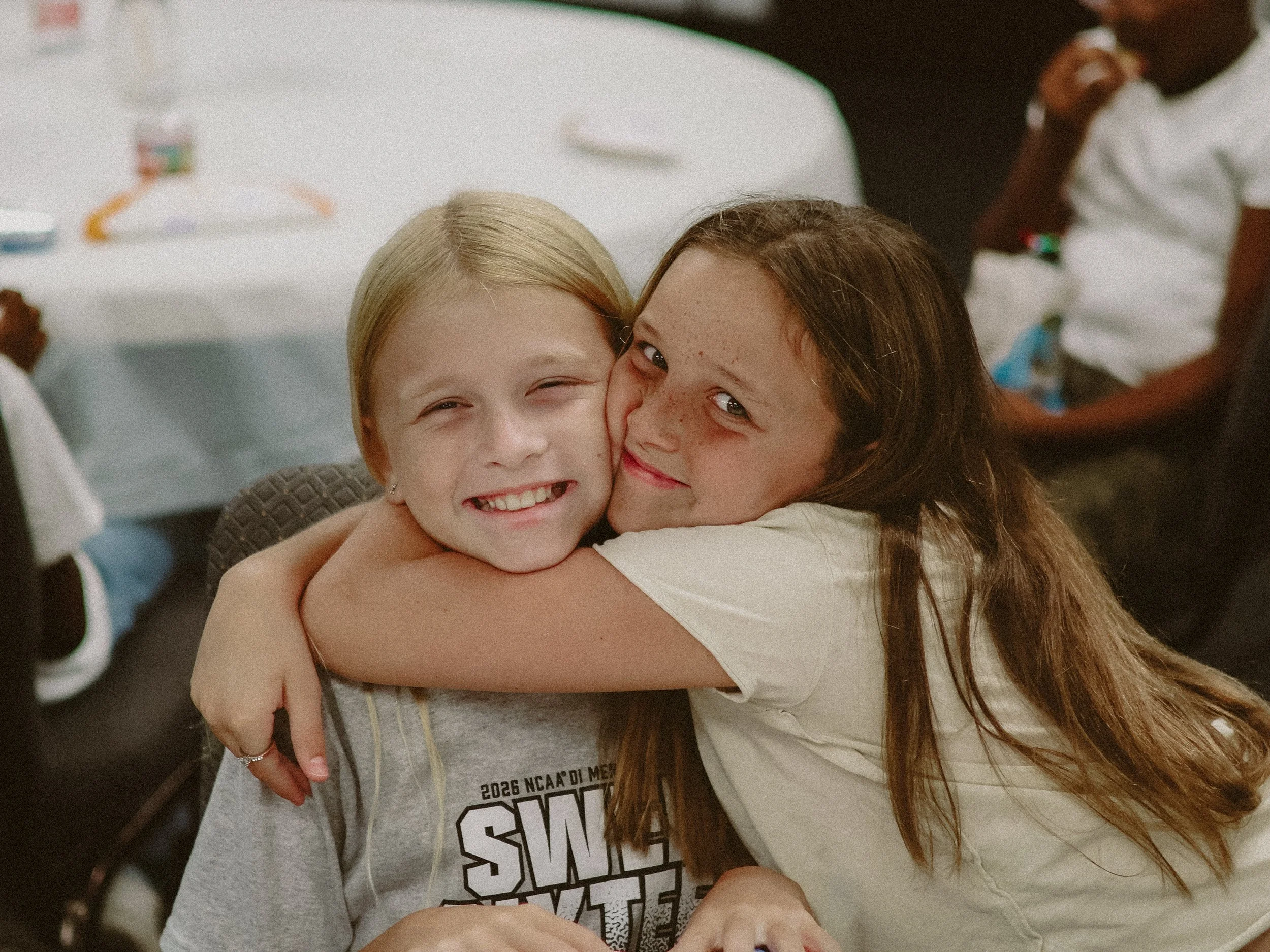
One of the greatest gifts we can give our children is the ability to see the world beyond their own experience.
When a child learns about how another family celebrates, what another culture eats, how another community dresses, or what language another child speaks, something begins to happen in their heart. Their world gets bigger.
They begin to realize, “My way isn't the only way.”
And that realization is important.
Because discipleship is not simply about teaching our children what to believe. It is also about forming the kind of people they become.
We want to raise children who are curious instead of judgmental, compassionate instead of dismissive, and confident in who they are without needing to diminish someone else.
When children encounter cultures different from their own, they have an opportunity to develop empathy. They learn to ask questions. They learn to listen. They learn that something unfamiliar is not necessarily something to fear.
We are helping them develop the heart to love people they may not immediately understand.
That is Kingdom formation.
The Bible Has Always Made Room for Young People
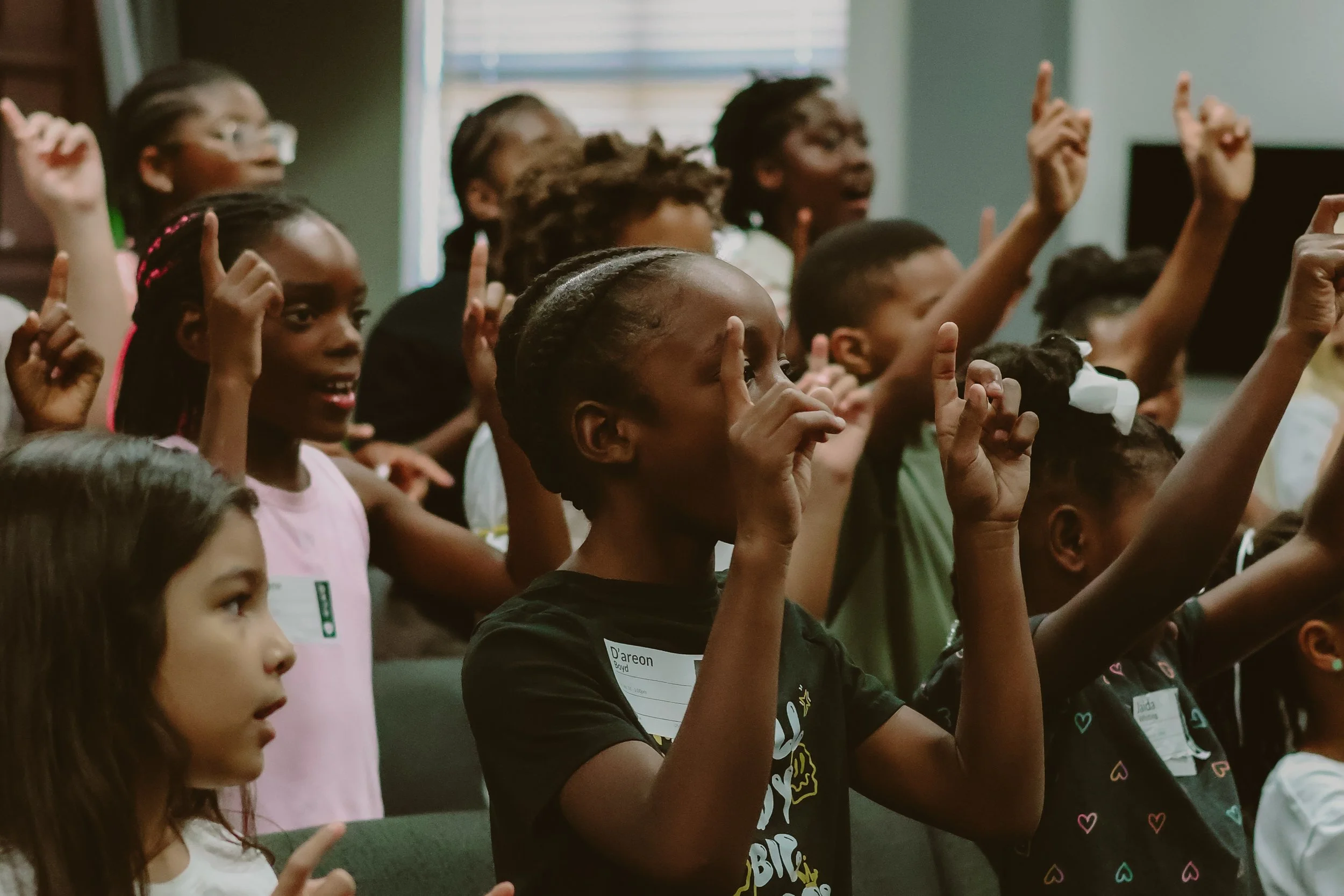
Look at the Scriptures, and you will discover that God has never considered children and young people insignificant to His purposes.
David was young when he stood before Goliath.
Joseph was young when God began revealing dreams concerning his future.
Samuel was young when he learned to recognize the voice of God.
Daniel and his friends were young when they were carried into a foreign culture and challenged to remain faithful to God.
These stories tell us something powerful:
God does not have to wait until a child becomes an adult before He can use them.
Our children can encounter God now. They can learn courage now.
They can develop character now. They can learn to love people now.
They can begin understanding God's heart for the nations now.
This means our responsibility as parents, pastors, mentors, and leaders is not simply to keep children entertained until they grow up.
Our responsibility is to disciple them into Kingdom-minded people.
Culture Can Become a Doorway to Discipleship
Imagine sitting around the table with your children eating Nigerian jollof rice and talking about where it comes from.
Imagine playing music from Brazil and learning about the energy and history behind Carnival and samba.
Imagine teaching your children a few words from another language and then talking about the people who speak it.
These moments may seem ordinary, but they can become opportunities for spiritual formation.
You can teach your children that God made people wonderfully different.
You can teach them that every person carries dignity because every person is made in the image of God.
You can teach them that our differences don't have to separate us.
And you can point them back to Revelation 7 and say:
“One day, we will see God's people from every nation worshiping Jesus together.”
Suddenly, learning about culture becomes more than education.
It becomes a glimpse of the Kingdom.
Don't Let Your Children Only Know Their Own World
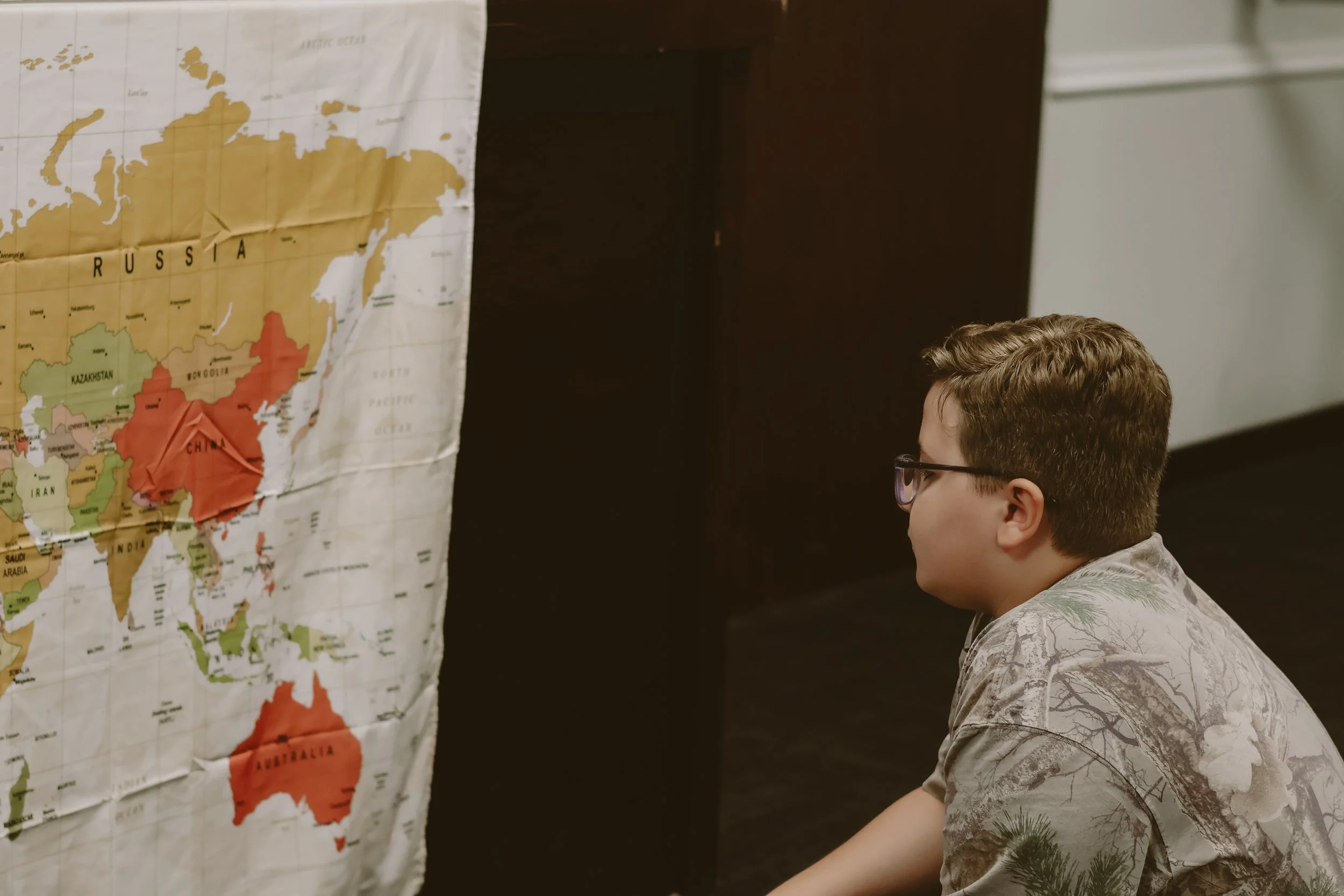
One of the dangers of growing up in a small world is believing that our experience is the whole world.
If our children only encounter people who look like them, speak like them, eat like them, and live like them, it can become easy for them to misunderstand people who are different.
But exposure creates understanding.
Understanding creates empathy.
And empathy gives us greater capacity to love.
This doesn't mean we abandon our own heritage. Quite the opposite.
We should teach our children to know where they come from.
Let them hear the stories of their grandparents. Let them learn their family's traditions. Let them experience their culture. Let them understand the beauty and complexity of their heritage.
But don't stop there. Teach them to appreciate the story of someone else, too.
Rootedness and openness can exist together.
You can know who you are without being threatened by who someone else is.
A Kingdom Bigger Than Our Comfort Zone
Jesus gave His followers a mission that was always bigger than one people group:
“You will be my witnesses in Jerusalem, and in all Judea and Samaria, and to the ends of the earth.”
— Acts 1:8
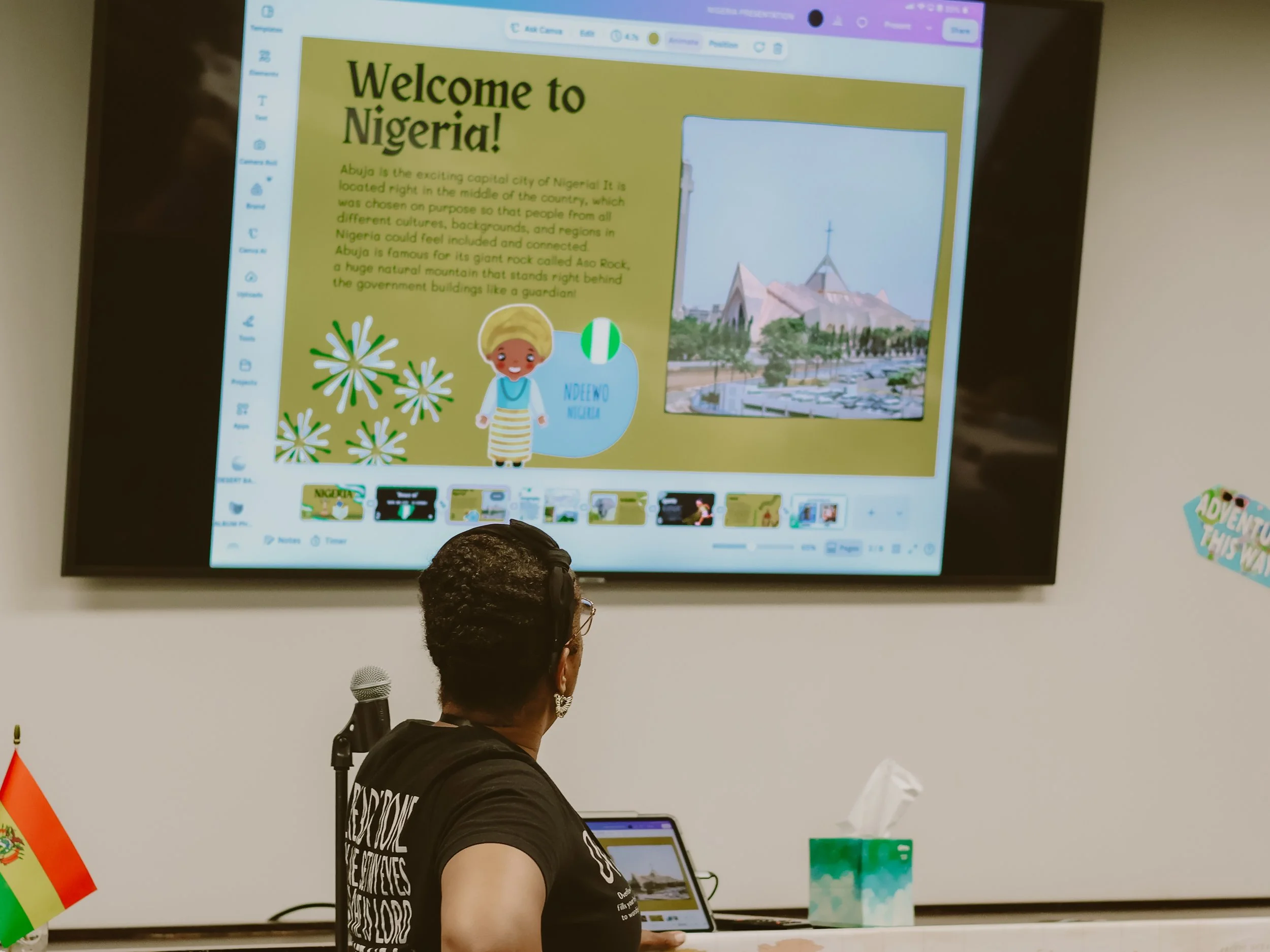
The Kingdom has always been moving outward.
From Jerusalem to the nations. From one generation to another. From one culture to another. And if we want our children to participate in that Kingdom, we have to help them develop a heart for people beyond their immediate circle.
The nations are not an abstract idea.
The nations are people. People with families. People with stories. People with hopes.
People carrying pain. People created in God's image. People Jesus loves.
When our children learn to see people this way, we are giving them more than cultural awareness.
We are teaching them to see people through the heart of God.
What Are We Planting in Our Children?
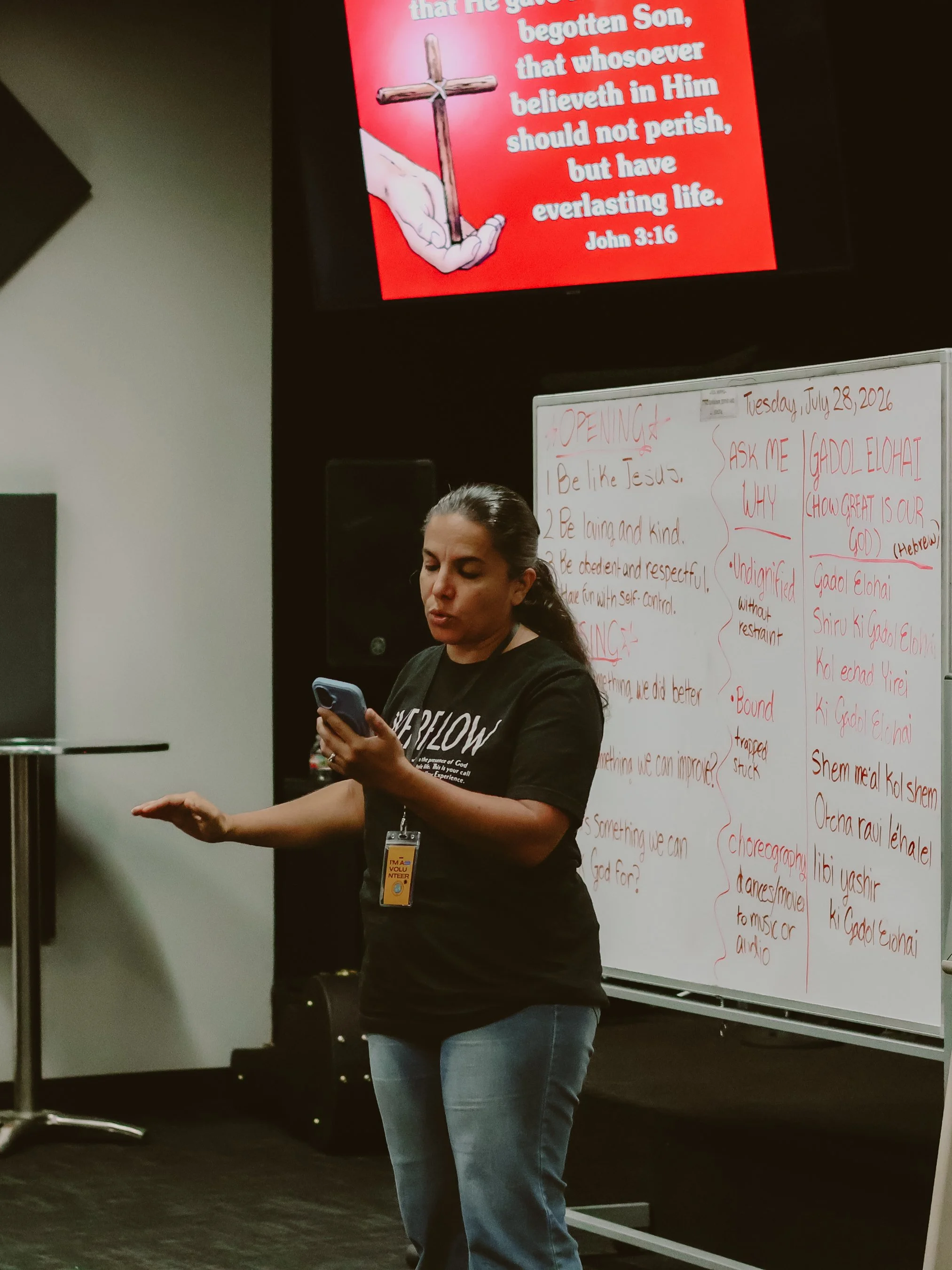
Every interaction with our children is planting something.
We are planting ideas about God.
Ideas about themselves.
Ideas about other people.
Ideas about what it means to belong.
So the question is not simply, “What are my children learning?”
The deeper question is:
“Who are they becoming?”
Are they becoming people who are quick to judge? Or quick to listen?
Are they afraid of difference? Or curious about it? Do they believe their way is the only way?
Or can they recognize beauty in someone else's story? Do they see people according to stereotypes? Or do they see them as individuals created and loved by God?
These are discipleship questions. And they matter.
Preparing Them for the Revelation
One day, every tribe, tongue, people, and nation will stand before the throne and worship the Lamb.
That means the diversity we sometimes struggle to understand today will be part of the beauty we celebrate in eternity.
So perhaps we should start preparing our children now.
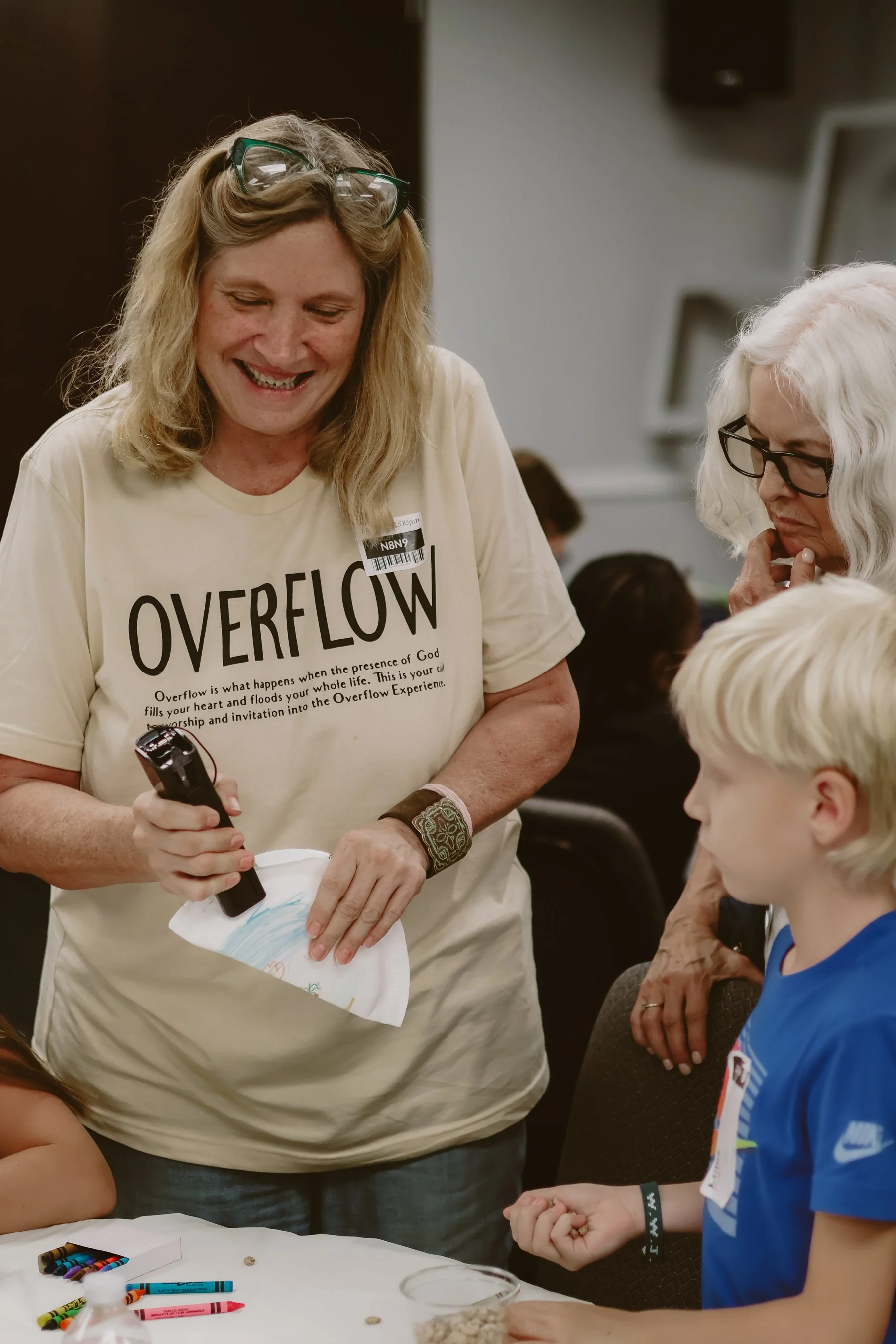
Teach them to celebrate.
Teach them to listen. Teach them to ask questions. Teach them to honor people.
Teach them to value their own heritage while appreciating the heritage of others.
Teach them that God's Kingdom is bigger than their neighborhood, their school, their culture, and their experience.
Most importantly, teach them Jesus.
Because the goal isn't simply to raise children who know about the world.
The goal is to raise children who carry the heart of God into the world.
Children who can walk into unfamiliar spaces without fear.
Children who can sit at tables with people who are different from them.
Children who can listen before judging.
Children who understand that every person has a story.
Children who know that Jesus is worthy of the worship of every nation.
And perhaps, when they see the beauty of different cultures coming together, they will recognize something familiar:
A picture of the Kingdom they have been learning to love all along.
A Question for Parents, Leaders, and Mentors
What are you doing to help the children in your care develop a heart for the nations?
Don't underestimate the small moments.
A meal. A song. A story. A language. A conversation. A cultural celebration.
A Scripture.
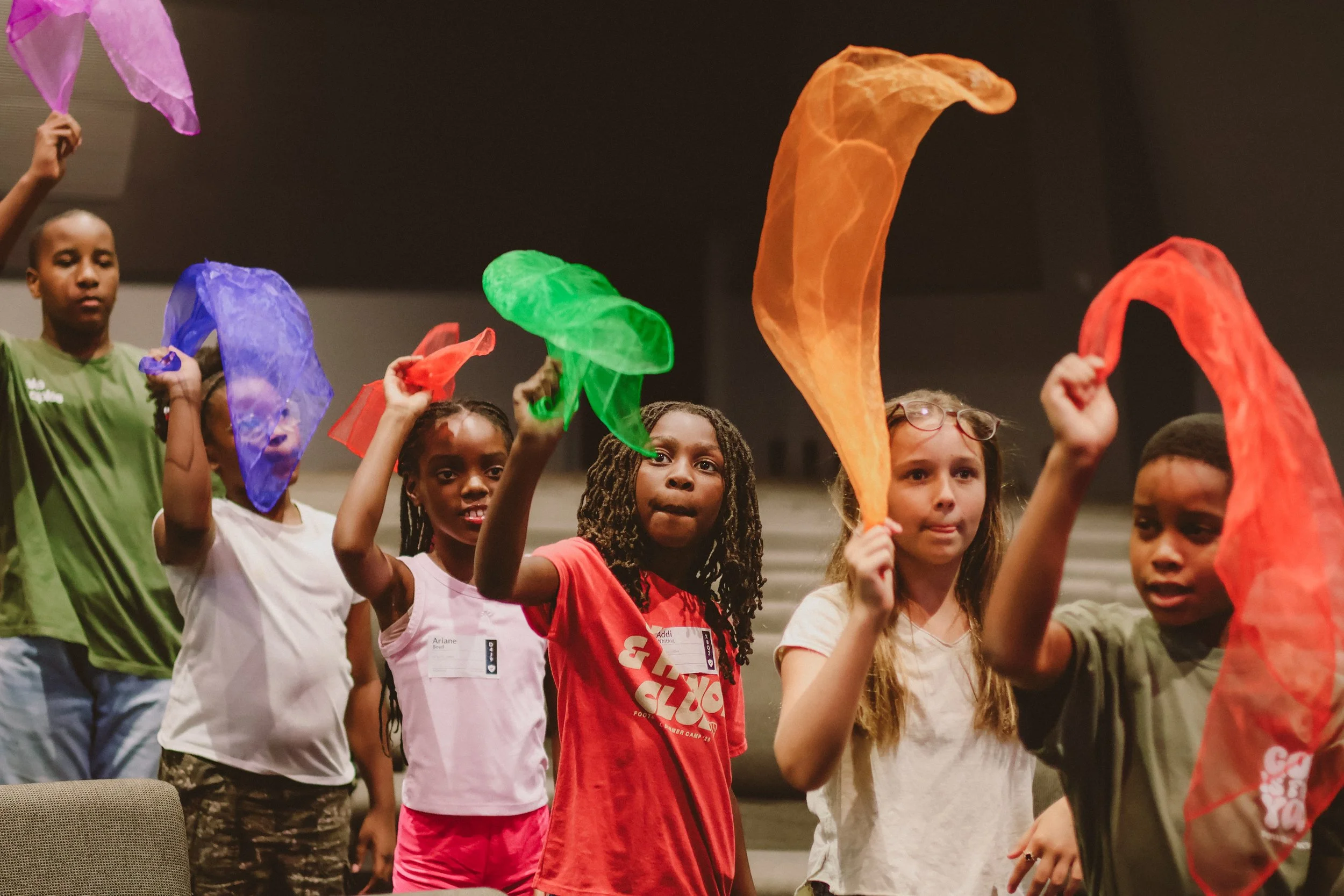
These seemingly ordinary experiences can become seeds planted in a young heart.
And in time, those seeds can grow into compassion, courage, humility, and a genuine love for people.
Let's raise a generation that doesn't simply know about God's Kingdom—but carries its culture wherever they go.
Because the future of the Church is not only about what our children know.
It is about who they are becoming in Christ.
And Revelation 7 reminds us of the beautiful destination:
Every nation. Every tribe. Every people. Every language. One throne. One Lamb. One worship.
That is the Kingdom. And that is the vision we should be giving our children.