NIGERIA: The Church That Would Not Sleep
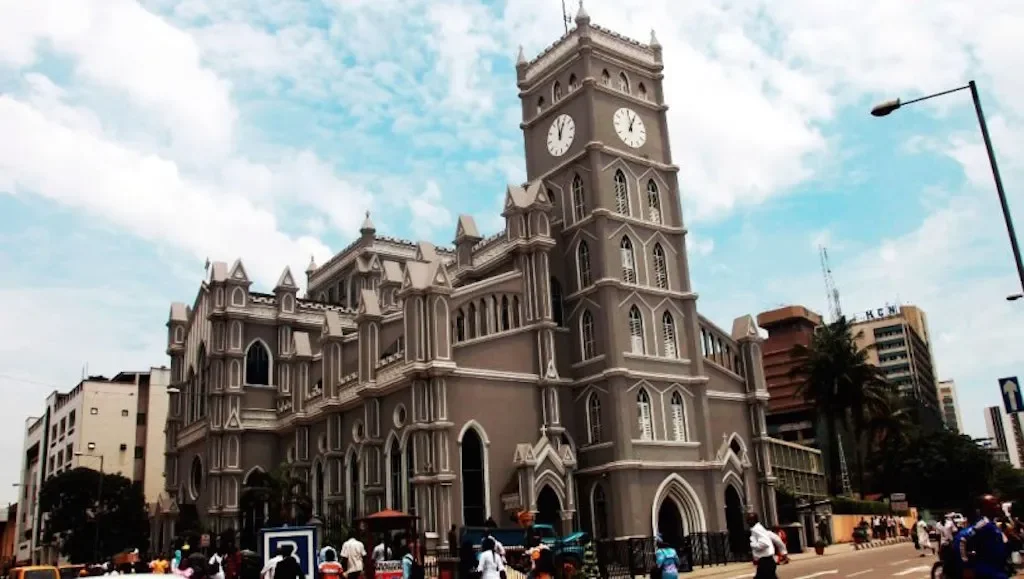
In a nation of 200 million souls, where faith is louder than traffic and prayer outlasts the night — a story of Nigeria's church, its fire, its fractures, and the future it is building.
It is 4:30 in the morning in Lagos, and the city is not quiet. It never really is. But beneath the hum of generators and the distant bark of a motorcycle engine, something else is audible—something rhythmic, insistent, almost ancient. It is the sound of prayer.
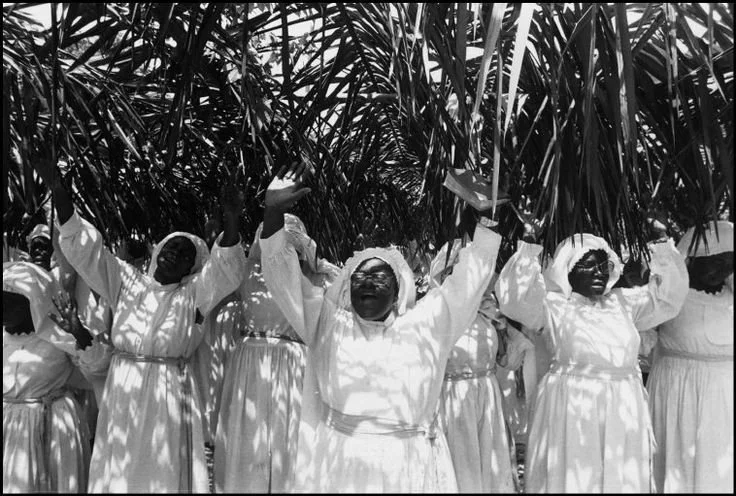
In church halls across the city, in living rooms, and in open courtyards under the unfinished purple of the pre-dawn sky, Nigerians are praying. Not as an obligation. Not as a liturgical formality. As an act of survival, of hunger, and of absolute dependence on the God they believe moves mountains and answers before morning.
This is where any honest account of the Nigerian church must begin—not with statistics, not with the names of famous ministries, but with this: the sheer, unembellished fact of a people who take the presence of God seriously at an hour when most of the world is still asleep.
With a population exceeding 200 million and an unwavering spiritual hunger stretching from the coastal megacities of Lagos and Port Harcourt to the ancient walls of Ibadan, Nigeria stands as one of the most remarkable mission fields—and mission forces—on earth. The church here is not declining, not apologizing, and not retreating. It is expanding, innovating, and sending.
For Overflow Culture Global, Nigeria is not simply a country on a map. It is a strategic heartbeat: a place where the energy of revival, the urgency of real human need, and the infrastructure of an already mobilized church create extraordinary conditions for Kingdom partnership.
The early 20th-century Aladura movement — with its emphasis on prayer and divine healing — laid a foundation that successive waves of revival have built upon. Today, that inheritance is visible in the sheer density of churches in Nigerian cities and the fervour that fills them every Sunday, and on many a weekday besides.
That flame was never quite extinguished. It was carried through the mid-century revival movements, fanned by the Pentecostal wave that swept the country's universities in the 1970s and 80s, and it burns still — hotter, in many quarters, than ever before. The socio-economic pressures that have squeezed Nigeria across the decades have not driven people away from faith. They have driven them deeper into it.
"When everything is uncertain — the economy, the government, the roads, the power supply — faith becomes not a luxury but a lifeline. Nigeria did not choose to be fervent. Life made fervency the only reasonable response."
The revival energy has taken institutional form in ways few anticipated. Nigerian churches now run schools and universities, hospitals and clinics, radio stations and television networks. They are not retreating from society — they are attempting to rebuild it, one institution at a time.
But this is not a simple story. It never was. And to tell it honestly is to sit with some uncomfortable truths alongside the remarkable ones.
For all its fervour, Nigerian Christianity carries wounds it has sometimes been reluctant to examine. There is, for instance, the question of what happens when the faith that fills a stadium on Sunday morning does not quite make it to Monday. Nominal Christianity — the cultural affiliation without the transforming encounter — is as present here as anywhere. The church is large. The disciples are fewer than the membership rolls suggest.
Sometime after midnight in Port Harcourt, the prayer meeting that began at ten o'clock is still going. The voices are not tired. They do not sound like people performing a duty. They sound like people who believe that what happens in that room at that hour actually matters — matters cosmically, permanently, beyond any metric that can be measured in a report or a budget or a field assessment.
That is the Nigerian church. Imperfect, pressured, complicated, astonishing. A people who have decided, generation after generation, that faith is worth holding even when everything else slips. A people who are not waiting for conditions to improve before they attempt great things. A people who have something to give to the rest of the world, if the rest of the world has the grace to receive it.
The church that would not sleep is still awake. And it is still praying.