The Weight of the Microphone.
The Weight of the Stage
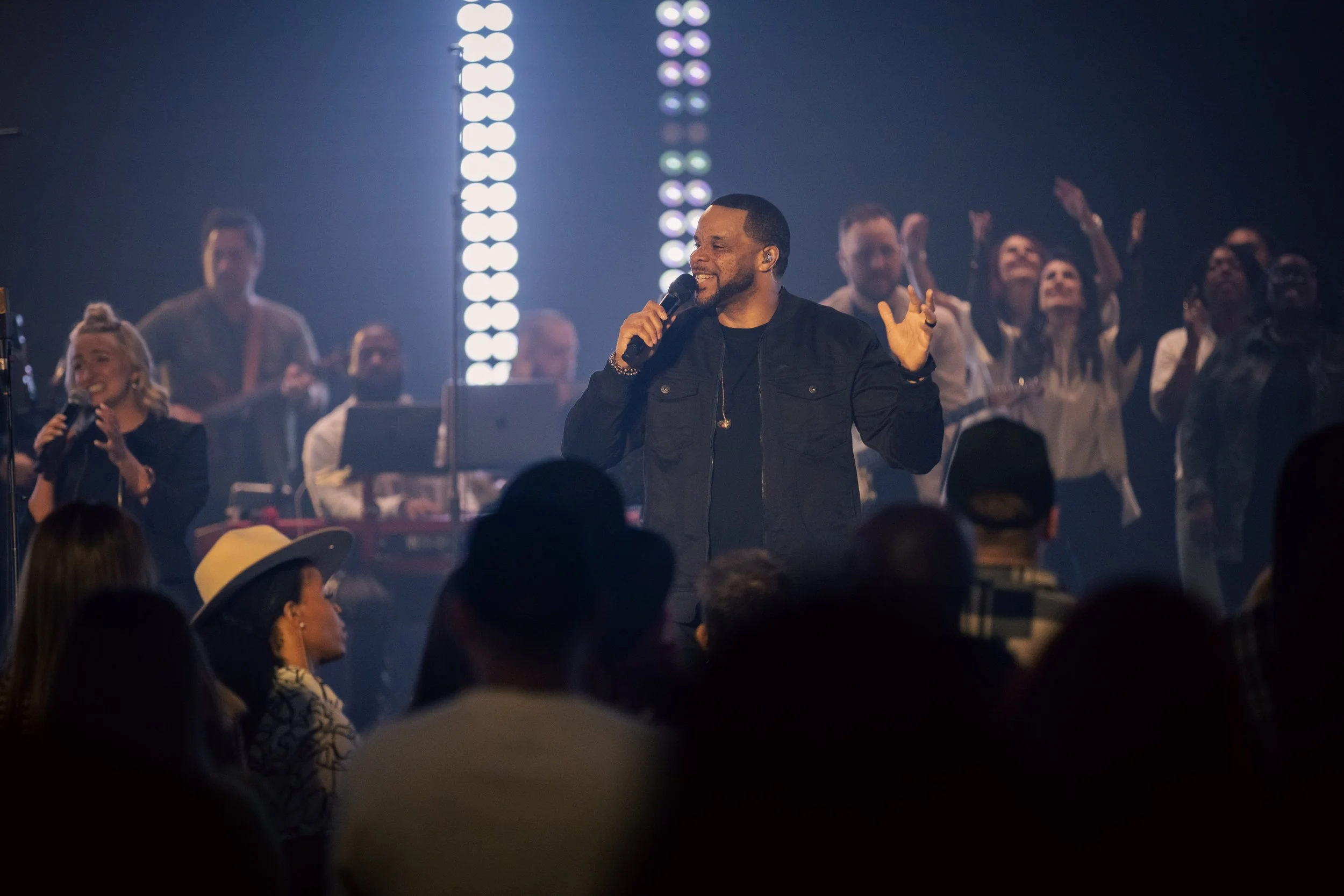
From the moment I stepped onto the stage, the microphone felt like a crown.
Every Sunday, I stood beneath the lights, surrounded by familiar songs and expectant faces. The applause was affirming. The responses were encouraging. Without realizing it, I began measuring my worth by how well I led, how people responded, and whether I felt seen.
But applause has a way of fading.
When the music ended and the room emptied, I often found myself wrestling with a question I didn't know how to answer: Who am I when I'm not leading worship?
That quiet tension exposed something deeper. I loved leading people into God's presence, but somewhere along the way, I had allowed my role to shape my identity more than my relationship with Christ.
When Ministry Feels Like a Competition
Working within church leadership brought its own complexities. Sometimes there seemed to be an unspoken hierarchy, and I found myself wanting to be recognized for more than my musical ability. I wanted people to see that I cared deeply about Scripture, that I valued leadership, and that I desired to shepherd people, not simply sing songs.

I remember one conversation that stayed with me. A pastor said, "You just handle the music, and I'll take care of the ministry." I
smiled politely, but those words lingered long after the conversation ended. They unintentionally suggested that worship and ministry were somehow separate; that one prepared the way while the other carried the real spiritual weight.
That evening, I brought my frustration before the Lord.
One Gospel, Different Languages
In the quiet, I sensed Him remind me of something that completely changed my perspective:
"You're not in competition with the preacher. You're both telling the same story—just through different languages."
That simple truth reshaped how I viewed worship.
The preaching of God's Word and the singing of God's truth are not competing ministries. They are partners in revealing the beauty of Christ. Worship isn't merely preparation for the sermon; it is proclamation in its own right. As Paul writes in Colossians 3:16, we are to let the word of Christ dwell richly among us, "teaching and admonishing one another with all wisdom through psalms, hymns, and spiritual songs."
Music becomes another language through which Scripture is proclaimed, hearts are formed, and faith is strengthened.

From Performance to Presence
That realization also confronted something in my own heart. I had spent too much energy trying to prove I was more than a singer when God had never asked me to defend my calling. He had simply invited me to be faithful.
Our identity was never meant to rest on a platform, a title, or the opinions of others. It is rooted in being known by God before we are ever known by people. Ministry is healthiest when it flows from intimacy with Him rather than the need for recognition.
When the Microphone Becomes a Cross
Over time, something beautiful began to change within me.
The microphone no longer felt like a crown that validated my significance. Instead, it became a reminder of the daily invitation to carry my cross, surrender my ambition, and serve God's people with humility. What once represented status became a symbol of stewardship.
Whether your platform is a stage, a classroom, an office, or your own home, the same invitation remains: don't allow your assignment to become your identity. Let your identity be established in Christ, and let every gift become an offering rather than a performance.
When that happens, worship is no longer about being seen; It becomes what it was always meant to be. a life that points others to Jesus.